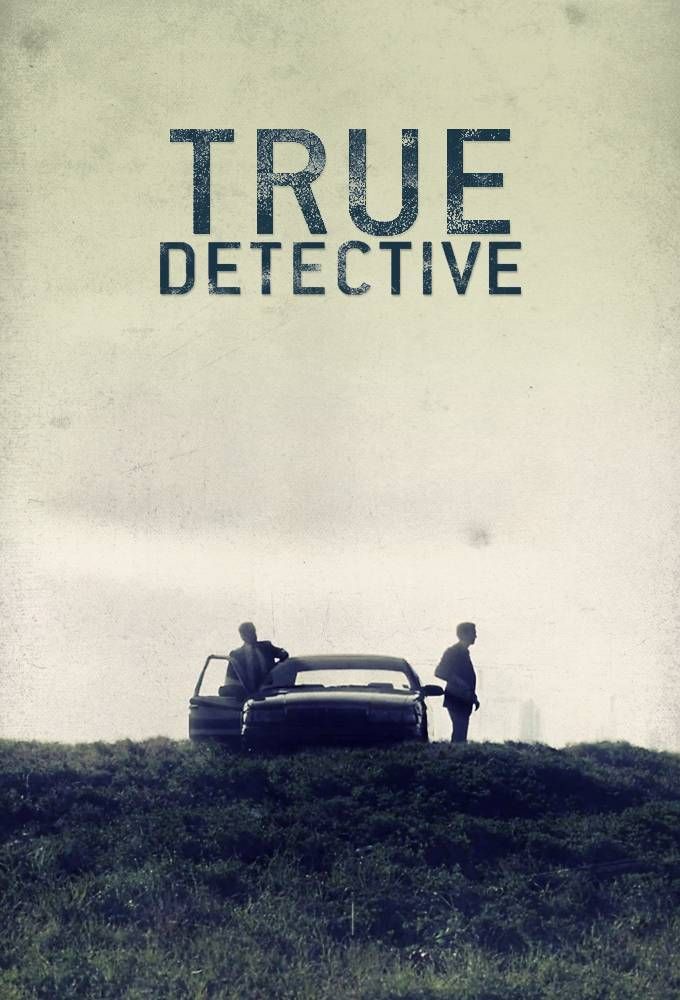
True Detective, a series that has captivated audiences across the globe, stands as a paragon of narrative excellence, distinguished by its anthology format which allows each season to explore unique stories, settings, and characters. This approach has not only kept the series fresh and intriguing but has also enabled it to delve into different facets of the crime genre with each new installment.
At the heart of True Detective's allure is its commitment to presenting complex, morally ambiguous characters who often find themselves entangled in cases that test their limits and reveal their deepest flaws. Season one, set against the haunting backdrop of rural Louisiana, brought viewers the unforgettable duo of Rust Cohle and Martin Hart, two detectives whose investigation into a sinister murder uncovers a web of secrets that stretches far beyond the crime itself. This debut season set a high bar for the series, demonstrating an unparalleled depth of character development and a storytelling prowess that weaves together mystical elements with a grim realism.

The anthology format of True Detective allows for a refreshing change of narrative landscape with every season, introducing new settings, characters, and stories. This structure embraces the notion that the locale of the story is as much a character as the detectives themselves. For instance, season two transports viewers to the industrial landscapes of California, offering a stark contrast to the first season's rural setting, while season three returns to a more pastoral backdrop, reminiscent of the first season, to unravel a decades-spanning mystery in the Ozarks.
At its core, True Detective is deeply invested in dissecting the darker facets of the human psyche and societal corruption. Each season, through its complex characters and intricate plot, scrutinizes the nature of justice, the impact of past traumas, and the blurred lines between good and evil. The detectives, while differing vastly in their personalities and methods, are invariably portrayed as deeply flawed individuals who are nonetheless relentless in their pursuit of truth, often at great personal cost.

The anthology format, while offering a variety of narratives, maintains certain thematic continuities that tie the seasons together, such as the philosophical musings on existence and morality, the pervasive influence of the past on the present, and the often Sisyphean nature of their search for truth and closure. This thematic cohesion ensures that, despite the shifts in setting and cast, True Detective remains a unified series in essence.
Moreover, True Detective has been lauded for its atmospheric visualization and haunting musical themes, which play crucial roles in crafting the series' distinct mood and tone. These elements, combined with the anthology format and deeply layered storytelling, create a riveting viewing experience that challenges audiences to ponder complex moral questions while being engrossed in the unraveling mysteries.
In conclusion, True Detective, through its anthology format, offers a fresh perspective on the crime drama genre, setting itself apart with each season by exploring new locales, narratives, and character dynamics. This innovative approach has not only kept the series vibrant and unpredictable but has also allowed it to explore the vast terrains of human nature and societal issues, making it a standout piece of television that continues to attract and provoke thought amongst its viewers. True Detective behind-the-scenes